The Playbook
Cleaning Business Marketing: The Three Pages That Do the Selling
Most cleaning business owners I talk with are busy cleaning. The website got built in a weekend a few years ago, it has a nice photo of a sparkling sink, and it mostly says “Call us for a free estimate.” Then they wonder why the phone only rings from referrals.
Here is the thing. People hiring a cleaner are letting a stranger into their home or their building. They have questions before they call, and if your site does not answer them, they quietly move on to the next result. Good cleaning business marketing does not need a big site. It needs three pages that do the selling for you while you are out on jobs.
If you are just getting started, our post on the first five marketing moves for a cleaning business covers the groundwork. This one is about the website itself.
Page one: the page that answers the basics
This is usually your home page, or a main services page if your home page is busy. Someone should be able to land on it and, within a few seconds, know three things:
- What you clean. Homes, offices, move-out cleans, deep cleans, recurring service. Say it in plain words, not “premium cleaning solutions.”
- Where you work. Name the towns. “Manitowoc, Two Rivers, Mishicot and nearby” tells a visitor, and Google, a lot more than “serving the area.”
- How to book. A phone number they can tap, a short form, and a line about what happens next, like “We’ll reply the same business day with a time to walk through your space.”
That is it. If a stranger cannot answer those three questions after a quick look, the page is working against you. Pretty photos are nice, but they do not replace a clear sentence.
Page two: separate pages for residential and commercial
This is the one most cleaning sites skip, and it matters. A homeowner and an office manager are completely different buyers. Trying to talk to both on one page means you end up talking clearly to neither.
The homeowner wants to know if you will be careful with their things, whether the same person comes each time, whether they need to be home, and how scheduling works around their week. They are often a little nervous about it.
The office or facility manager wants to know if you clean after hours, how you handle supplies, who they call when something is missed, how you invoice, and whether you can show proof of insurance for their files. They are thinking about their boss and their budget. We get into that side more in marketing a janitorial business for contracts.
Give each buyer its own page. It is the same idea behind one service, one page: when a page is about one thing, it is easier for people to trust and easier for Google to understand. Each page can have its own photos, its own common questions, and its own way to get in touch. A commercial page might offer a walk-through; a residential page might offer a quick quote by text.
Page three: the trust page
This is the page that answers the questions people are a little shy to ask. Call it “Why Trust Us,” “Our Promise,” or just “About.” What matters is what is on it:
- Insurance. Say that you are insured, and say you are happy to share proof. Commercial clients will ask anyway.
- Background checks. Only if you actually do them. If you do, say so plainly. If you do not, do not imply it.
- Keys and access. How you store keys or door codes, who has them, and what happens if a client leaves you a lockbox. This one question decides a lot of residential bookings.
- What happens if something goes wrong. A missed spot, a broken item. A calm sentence about how you make it right goes a long way.
- Reviews. A few real reviews from real clients, in their own words, plus a link to your Google reviews.
- A real face. A photo of you or your team, and a sentence about who you are. People hire people.
You do not need to be fancy. You need to be honest and specific. A trust page that says “We keep every key in a locked box, labeled by code, never by address” does more than a page of adjectives.
Writing them without losing a weekend
You already know what goes on these pages. You answer the same questions on the phone every week. The easiest way to write them is to keep a running note on your phone for a couple of weeks. Every time a client or prospect asks something, jot it down. “Do I need to be home?” “Do you bring your own vacuum?” “Can you come every other Friday?” “Do you clean inside the fridge?”
Then sort the list into three piles: basics, residential or commercial, and trust. Answer each one the way you would out loud, in a sentence or two. That is most of your three pages, written in your own voice, and it will sound a lot more like you than anything a template would give you.
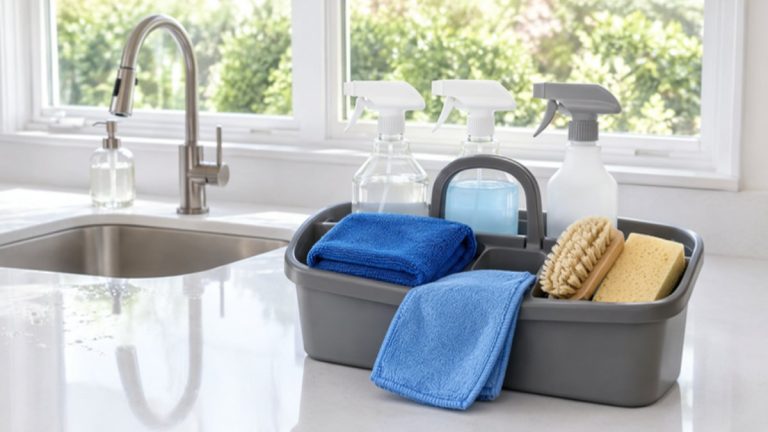
Add your own photos where you can: your team, your supply caddy, a clean office break room. Real beats polished. If you have a team member who is great with clients, ask them what questions they hear most, too. They often know things you have stopped noticing.
How these pages help you get found
These pages are not only for the people who land on them. When your residential page talks about house cleaning in the towns you serve, and your commercial page talks about office cleaning, Google has a much easier time matching you to the right searches. That is the heart of good cleaning service marketing: clear pages, real reviews, and a complete Google profile pointing to them. Our local SEO work ties those pieces together so they back each other up.
If your site needs a rebuild to get there, our website design service builds these pages in from the start. And you can see how we approach the whole picture for cleaning companies on our cleaning businesses page.
Common Questions
Do I really need separate residential and commercial pages?
If you do both kinds of work, yes. A homeowner and an office manager care about different things, ask different questions and book in different ways. One page that tries to talk to both usually ends up vague. Separate pages let each buyer see their own concerns answered, and they help Google match you to the right searches.
What should a cleaning company home page say first?
What you clean, where you work, and how to book. Put those near the top in plain words, with the towns named and a tappable phone number. Add one line about what happens after someone reaches out, like when they will hear back. Slogans and stock photos can come after, if at all. Clarity wins the first few seconds.
Should I mention background checks on my website?
Only if you actually do them. If you do, say so clearly on your trust page, because it answers a worry many clients have but will not ask out loud. If you do not run background checks, do not hint that you do. Talk instead about how you hire, how long your team has been with you, and how you handle access.
How do I explain how I handle client keys?
Be specific and simple. Say where keys or codes are stored, who can access them, and how they are labeled. If you use lockboxes or smart locks, explain how that works. A sentence or two is enough. For a lot of homeowners, this is the question that decides whether they feel comfortable booking, so it deserves a spot on your trust page.
Is cleaning business marketing mostly about the website?
The website is a big part, but not all of it. Your Google Business Profile, your reviews and how quickly you answer new inquiries matter just as much. The website is where those pieces point. If the pages are clear and trustworthy, every other effort, from reviews to referrals, has a better place to land and turns into more booked jobs.
Should I put prices on my cleaning website?
That is your call. Some owners are comfortable sharing a starting point for standard home cleans; others prefer to quote after a walk-through. Either way, explain what affects the price, such as size, condition and how often you come. That gives visitors a sense of what to expect without boxing you in, and it makes the first conversation easier.
Where should reviews go on a cleaning website?
Put a few on the trust page and one or two on each service page, matched to the type of client. A homeowner review fits the residential page; an office manager review fits the commercial one. Use real reviews in the client’s own words, and link to your Google reviews so visitors can read more on their own.
How long should each of these pages be?
Long enough to answer the real questions, and no longer. For most cleaning businesses, that is a few short sections and a handful of common questions per page. Write the way you would talk to someone at the door. If a section does not help a visitor decide to book, it can usually be cut.
Want to know how your current site stacks up against these three pages? Book a free audit or call us at (920) 383-3387, and we will show you what is missing and what to fix first.

Michael Cummings
Founder of MCM Digital Products. Building and running growth engines for service businesses since 2011 - from Manitowoc, Wisconsin, where his neighbors have elected him to City Council three times.
More about Michael →
Run this play in your business
Want this working for you - without doing any of it yourself?
Every play on this site is something we build and manage for clients every day. Get your free Authority Blueprint and you'll see exactly where this applies to your business - with your real data.
Get My Free Authority BlueprintPrefer to learn it yourself? Start free in the MCM360 Academy →