The Playbook
The Family That Books Once and Never Comes Back
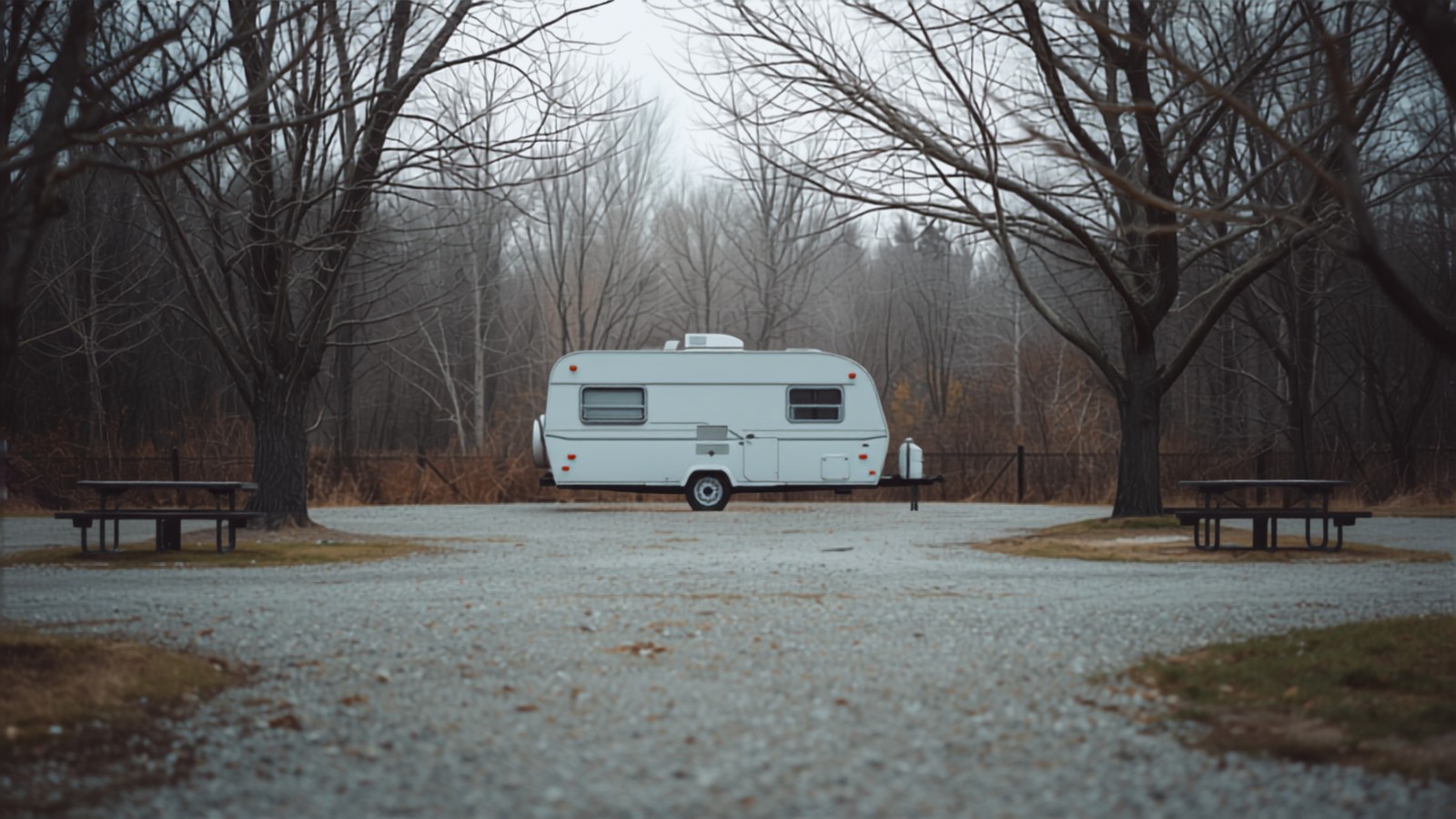
They check out on a Sunday morning. The kids are sunburned, the car is packed badly, and somebody says “we loved it here” on the way past the office. They mean it. You wave. The site gets raked, and by noon someone else is backing a trailer into it.
That family talks about your place all the way home. Then school starts, the furnace kicks on, and it is February before anyone thinks about camping again. When they finally do, what lands in front of them is an email from a park two counties over: summer sites are open. They book it. Not because they liked that park better. Because that park asked, and you did not.
This is the quietest kind of lost revenue there is. Nobody complains. Nobody leaves a bad review. The guest was happy. They just drifted, and nothing pulled them back. If you run a campground or RV park in Manitowoc County, that drift is probably costing you more than any marketing problem you actually worry about.
High repeat potential, poor systems for capturing it
Think about what a camping stay is. It runs several days. You meet the people. Their kids learn the shortcut to the bathhouse. They have a favorite site by the second night. Almost no other local business gets that much time and goodwill in one transaction.
Then it ends, and for most parks nothing happens. The reservation closes out and the guest record sits in a system nobody opens again until that person calls back on their own. The gap is not effort — campground owners are as hands-on as operators get. It is that the busy season eats every waking hour, and follow-up belongs to a season when your mind has moved on to plowing and repairs.
What makes a family choose the same place twice
Ask campers why they return and the answers are small:
- A specific site. Not the park. Site 22, with the shade and room for the awning. If they liked a site, they want it again, and they will book early to get it.
- A tradition forming. The second visit is what turns one trip into “the place we go.” Getting them back once matters more than anything you do afterward.
- A name they remember. Yours, or whoever checked them in. Familiarity is a real reason to pick one park over another.
- Being asked. The plainest one. A family invited back by a person, while they are still thinking warmly about the trip, will often say yes on the spot.
None of that requires a discount. It requires that somebody remembers them and says so.
The moment to invite a rebooking is earlier than you think
Most parks that ask at all ask in spring, when the calendar opens. That is too late — by then the family has made a plan, booked elsewhere, or decided this summer is too busy.
The best moment is while they are still on the property — checkout morning, or the evening before, when the trip is at its warmest and the site they liked is right there. “Want me to pencil you in for the same week next year?” is not a sales pitch. It is hospitality, and plenty of people say yes. The second-best moment is in writing within a few days of the stay. After that the trail goes cold.
What to collect at check-in
Most parks take a name, a phone number, a vehicle, and a payment method. That runs the stay; it does not build anything. Worth capturing while they are at your counter:
- An email address, with clear permission to send occasional park news. Say what you will send and how to stop getting it. People should opt in, and unsubscribing should be easy.
- The site number, kept somewhere you can search later.
- Whether it was their first stay with you.
- Roughly where they came from, which tells you who your real market is.
- Anything personal worth remembering — kids’ names, an anniversary trip, a dog afraid of the tractor.
The email address quietly outperforms the rest. A phone number is for problems. Social media reaches whoever the algorithm decides to show it to. An email list is the only one you own and can reach on purpose, in February, when the decision gets made.
The off-season message that does the work
One message, sent in late winter, before people start planning. It needs to be timely and human: the season is coming, here is what changed at the park, you were on site 22 last August and that week is open again, here is one clear way to hold it.
“You were on site 22” does more than any newsletter, because it is about them. Anything that reads like a mass mailing gets treated like one.
Asking for a review without it feeling transactional
Reviews and repeat stays come from the same place: a happy guest, asked while they still feel that way. Ask a few days after checkout, not at the gate on the way out.
Keep it short and unconditional. Thank them, say you hope they come back, mention that a review helps other families find the park. No incentive. Send it to every guest, not only the ones you are sure loved it, and read what comes back — the middling reviews usually tell you something true about the bathhouse or the road noise.
Some guests are never coming back
The couple driving through on the way somewhere else. The overnight stop. The traveler who stays somewhere different every trip on principle. No follow-up converts them, and measuring yourself against them makes the whole effort look like a failure.
The ones worth attention are easy to spot in your own records: multi-night stays, families with kids, guests within a few hours’ drive, anyone who asked about next year. Someone from Two Rivers or Kiel who stayed five nights is a different prospect than a one-night traveler from four states away.
Turning good intentions into a system
All of this is doable by hand, and plenty of owners do it — right up until the season starts and the notebook goes in a drawer.
What we do at MCM Digital Products is take the parts that should not depend on anyone remembering and make them run on their own. Automated follow-up and review requests go out a set number of days after checkout, to every guest. Guest details land in one place you can search in February. Off-season messages get built once and scheduled ahead of the season.
New-guest work still matters too: a website that makes booking obvious on a phone, local search work so you turn up when someone searches for camping near Manitowoc or Mishicot, and an AI receptionist for the question that comes in at nine on a Tuesday night about pull-through sites. New guests and returning guests are two different jobs, and most parks only do the first.
A one-time booking usually means nothing happened after the visit. The free Keep Customers Longer course covers sealing that gap and turning the customers you keep into your cheapest source of work.
Common Questions
When should I ask a camper to rebook for next year?
Before they leave the property. Checkout morning, or the night before, is when the trip is still warm and the site is right in front of them. Asking in spring, when your calendar opens, is usually too late — many families have already made their plans, and some have already booked somewhere else.
How do I get campers’ email addresses without annoying them?
Ask at check-in as part of the normal paperwork, and say what it is for: occasional park news and next-season booking notices. Make sure they are agreeing to it and that every message has an easy way to unsubscribe. Never add people who did not opt in.
What should an off-season email actually say?
Something specific to that guest. The season is coming, here is what changed at the park, you were on site 22 last August and that week is open again, here is how to hold it. One clear action. A message showing you remember them reads completely differently than a newsletter blast.
How often should I email past campers?
Less than you think. A late-winter booking message, something around the season opening, and maybe one mid-season note is plenty for most parks. Campers make one or two decisions a year, so constant email does not create more decisions. It teaches people to ignore you instead.
Is texting past guests better than emailing them?
Texts get read more reliably, but people guard their phone number and tolerate less. If you text, get clear permission, keep it rare, and make opting out simple. Email is the better home for the off-season booking message. Text works better for things tied to a specific stay, like arrival details.
How do I get more reviews from campers?
Ask everyone, a few days after checkout, in writing, with no incentive attached. Thank them, say you hope to see them again, and mention that a quick review helps other families find the park. Asking consistently matters more than the wording — steady review flow comes from asking every guest, not the occasional one.
Why do campers who liked us still book somewhere else?
Usually because someone else asked first. Camping decisions get made months ahead, often in winter, when your park is not on anyone’s mind. A family with warm feelings and no reminder books whichever place shows up in front of them. Liking you is not the same as being remembered at the moment of the decision.
How do I know which past guests are worth following up with?
Look at length of stay, distance, and who they came with. Multi-night stays, families with kids, and guests within a few hours’ drive have real return potential. One-night travelers passing through on a long trip usually do not, whatever you send them.
If you want a straight read on what your park is doing to bring guests back — and what it is not — we are happy to look. A free audit covers how you show up in local search, how easy your site makes booking on a phone, and what happens after a guest checks out. No obligation, and if you already have this handled, we will tell you that.

Michael Cummings
Founder of MCM Digital Products. Building and running growth engines for service businesses since 2011 — from Manitowoc, Wisconsin, where his neighbors have elected him to City Council three times.
More about Michael →
Run this play in your business
Want this working for you — without doing any of it yourself?
Every play on this site is something we build and manage for clients every day. Book a free audit and I'll show you exactly where this applies to your business — with your real data.
Get My Free Business AuditPrefer to learn it yourself? Start free in the MCM360 Academy →