The Playbook
Tuesday Night Is Dead. Wednesday Is Worse.
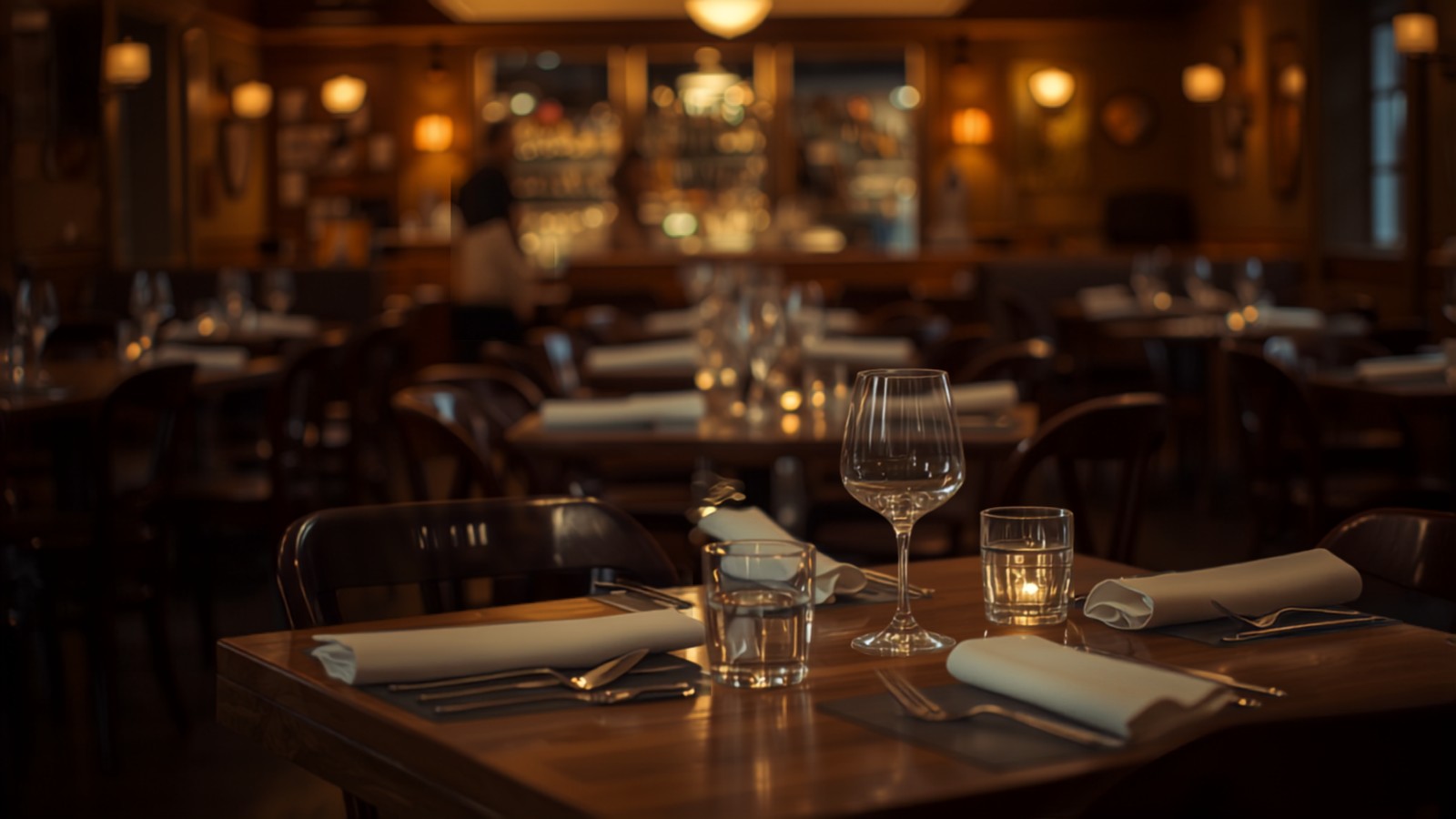
It is 6:40 on a Tuesday. Two tables are seated, one is finishing, and the server is folding napkins she already folded. You can hear the cooler cycle in the back.
On the clipboard by the office door is the prep list for the weekend. Fish order. Extra pans. Who is covering Friday. That list is real work for a real crowd, which makes the empty room in front of you feel worse. You know the people exist. They are just not here tonight.
The rent does not care. The coolers ran all day, the lights are on, and half the staff is scheduled whether twelve people walk in or eighty. That is the whole problem, and it is one of the most common ones we hear from restaurants, bars and supper clubs in Manitowoc County.
A Slow Tuesday Is Not a Bad Saturday
These feel the same from behind the bar. They are not.
A bad Saturday is a demand problem. People were going out and went somewhere else. Something about the food, the wait, or what people are saying about you sent them down the road. That usually has a specific cause worth chasing.
A slow Tuesday is a habit problem. Most households did not consider going out and reject you. Nobody raised the question at all. Tuesday is a leftovers night, a practice night, a laundry night. You did not lose the decision — the decision never happened.
That changes the job. You are not out-competing anyone on a Tuesday. You are trying to get a question asked that nobody is asking.
Why Discounting Is the Reflex
Every owner lands here first, and it is not a dumb instinct. Cut the price midweek, fill seats, cover some fixed cost. Fastest lever in the building.
Here is what shows up months later. A standing midweek discount does not only add visits, it moves them. Regulars who came Thursday at full price learn to come Wednesday instead. You did not add a table. You relocated one and made it worth less.
The deeper cost is that you teach people to wait. Once a crowd learns patience gets rewarded, the deal becomes the reason, and the reason has to keep growing to keep working. Every restaurant town has a place whose midweek promotion ran so long it simply became the price. Walking that back is much harder than starting it.
Give People a Reason, Not a Lower Price
People will drive past two closer options for a reason. They will rarely drive anywhere for a slightly better deal on a night they were not going out.
The reasons that work midweek tend to repeat, fit in one sentence, and belong to somebody.
- A recurring event on a fixed night. Same night, same time, every week — trivia, live music, cards, a car night in the lot when weather allows. Repetition is the point, and most places quit right before it takes hold.
- A limited item that exists only that night. One dish, gone when it is gone. It gives the kitchen something to be proud of and gives people something specific to tell a friend. “They do a thing on Wednesdays” travels further than “they’re cheaper on Wednesdays.”
- A night that belongs to a group. A league after their game, a club, a church group, a shift that gets out at the same hour. When a night belongs to somebody, they bring the crowd and defend the date.
- A different format. Some midweek nights work better as something other than full dinner service — a shorter menu, a counter night, a family-style table. You are not obligated to run Tuesday like Saturday.
None of that touches your prices. All of it requires telling people longer than feels comfortable.
Your Tuesday Crowd Already Ate Here on Saturday
The likeliest person to eat here on a Tuesday is not a stranger. It is someone who was already here, liked it, and has no prompt to come back before the next birthday rolls around.
Think about a good Friday. The room is full of people who plan around your food — the warmest audience you will ever have. And on the way out the door, most restaurants have no way to reach a single one of them again.
Closing that gap is unglamorous work: a way to collect contact information without being weird about it, a reason for people to hand it over, and something that goes out on a schedule about what happens midweek. Automated follow-up does more for a Tuesday than any sign in the window, because it talks to people who already decided they like you. Steady recent reviews help for the same reason — an empty dining room reads differently to someone who has already read a page of good things about the place.
The Quiet Leak: What People Find Before They Decide
Weekend visits are planned. Somebody decided on Wednesday that Saturday was your place, with time to call, ask a friend, and work around bad information.
Midweek visits are decided in a car. Somebody is coming back from Two Rivers, it is quarter past six, nobody wants to cook, and out comes a phone. Whatever they find in that moment is the entire decision. Wrong hours, a menu that is only a picture, a slow site, photos from four years ago — you were not compared and beaten. You were filtered out before the comparison happened.
That is why an out-of-date online presence costs you almost nothing on Friday and can cost you the whole night on Tuesday. Local search and a current, readable website are your midweek front door, and it is usually the door that sticks. Two things worth checking tonight: whether your listed hours match the hours you actually keep, and whether your menu reads as text on a phone.
How to Tell Whether Any of It Worked
Most midweek experiments get dropped because nobody could say whether they worked. Keep it simple.
- Count covers on that night, week over week, for six to eight weeks. One night tells you nothing — weather, a home game and a funeral all outrank your marketing in a given week.
- Watch the nights on either side. If Wednesday grew and Thursday shrank by about as much, you moved people rather than adding them.
- Ask at the table. One question from a server — “what brought you in tonight?” — beats any dashboard in a small dining room.
- Watch the online signals that come first. Calls, direction requests and clicks to your site tell you whether people find you in that six-o’clock moment.
Some Nights Should Simply Be Closed
If a night has been tried seriously — a real reason to come, promoted consistently, for a couple of months — and it still does not cover labor and utilities, closing it is a legitimate answer, not a defeat. Plenty of good supper clubs in this part of Wisconsin have run four or five nights a week for decades and are healthier for it. The Friday fish fry does not suffer because the doors were locked on Monday.
Closing buys rested staff, a kitchen with time to prep and clean, and a crew that is not burned out by August. Two cautions: be consistent, because people who find a locked door tend not to try again, and make sure the closure shows up everywhere — your listing, your site, your door, your social media.
Where We Come In
Most of the above you can do yourself with a notebook and some patience, and we would rather you did that than nothing.
Where owners get stuck is the plumbing underneath. We help local restaurants and bars fix what decides a midweek visit before anyone reaches the door: accurate listings and local SEO, a site with a readable menu and correct hours, review management and automated follow-up, online booking where it fits, and an AI receptionist or chatbot for calls nobody can get to during a rush. Our services work piece by piece or as a monthly plan. We are in Manitowoc, and we know what a February Tuesday looks like here.
What people read about you decides which night they pick. The free Reputation course covers earning steady reviews, answering every one the right way, and putting the best ones to work.
Common Questions
Why is my restaurant dead midweek but packed on weekends?
Because midweek is a habit problem, not a quality problem. Most households never considered going out on a Tuesday, so you were never compared to anyone and never rejected. Weekends are already an eating-out habit. Midweek needs a specific reason and repeated reminders before it becomes a plan people make.
Should I run a midweek special to bring people in?
Be careful. Discounts fill some seats, but they also pull in customers who would have paid full price another night, and over time they teach people to wait for the deal. Try a reason first — a recurring event, an item that exists only that night, or a night that belongs to a specific group.
What kind of event actually works on a slow night?
Ones that repeat on the same night at the same time, can be described in one sentence, and belong to somebody — trivia, live music, cards, a league after their game, a club that needs a meeting spot. Repetition is what makes it work, and it is what most owners quit on too early.
How do I get weekend customers to come back midweek?
Get a way to reach them. Your best midweek prospect already ate here and liked it but has no prompt to return. Collect emails or texts at the table or online, give people a reason to hand them over, and send something on a regular schedule about midweek. Automated follow-up handles that without adding work during service.
Does my website really affect midweek business?
More than it affects weekends. Weekend visits are planned, so people work around bad information. Midweek visits get decided in a car on a phone. Wrong hours, a menu that is only a photo, or a slow site removes you from that decision before any comparison happens. It is a leak that only shows on slow nights.
Is it okay to just close on my slowest night?
Yes, and for many places it is the right call. If you have tried a real reason to come, promoted it consistently for a couple of months, and the night still does not cover labor and utilities, closing is a legitimate decision. Be consistent about which nights, and update your listing, site and door so nobody meets a locked building.
How long should I test a new midweek night before giving up?
At least six to eight weeks. A single slow week tells you nothing, because weather, school events and local happenings outweigh your marketing in any given week. Track covers on that night week over week, and watch the nights on either side to confirm you added business instead of shifting it.
How do I know whether my marketing is what brought people in?
Combine two things. Ask at the table — one question from a server beats most reports in a small dining room. Then watch the signals that come before a visit: calls, direction requests, and clicks to your site from search. Together they tell you whether people are finding you at the moment they decide.
If your weekends are strong and your midweek is hollow, the fix usually starts with what people find before they reach the door. We offer a free audit — no obligation, no pressure. You will get a straight read on how you show up in local search and where midweek visits are slipping away. Take the notes and handle it yourself if you want. Either way, you will know what is actually happening on a Tuesday.

Michael Cummings
Founder of MCM Digital Products. Building and running growth engines for service businesses since 2011 — from Manitowoc, Wisconsin, where his neighbors have elected him to City Council three times.
More about Michael →
Run this play in your business
Want this working for you — without doing any of it yourself?
Every play on this site is something we build and manage for clients every day. Book a free audit and I'll show you exactly where this applies to your business — with your real data.
Get My Free Business AuditPrefer to learn it yourself? Start free in the MCM360 Academy →